Princess Mary - daughter of Henry VIII and Catherine of Aragon - was reputedly completely ignorant of any foul words or phrases. It has been reported that she did not know the word "whore" until she ascended to the throne - however this seem unlikely. After all, Mary did not life in a closely fitted bubble and foul words have probably found their ways to the innocent Princess' ears. It is more likely that she simply did not utter the bad words until she wore the crown herself.
For example she is known to have called a lady-in-waiting of hers a whore after the discovery of an intimate affair.
Showing posts with label mary-i. Show all posts
Showing posts with label mary-i. Show all posts
Wednesday, 3 April 2013

Monday, 25 March 2013
Calais in my Heart
The loss of Calais to the French was one of the greatest errors made during Mary I's reign - a fact the Queen herself was well aware of. Mary I frustrated exclaimed that:
"When I am dead, and my body is opened, ye shall find Calais written on my heart"
Saturday, 2 March 2013
Royal Insult!
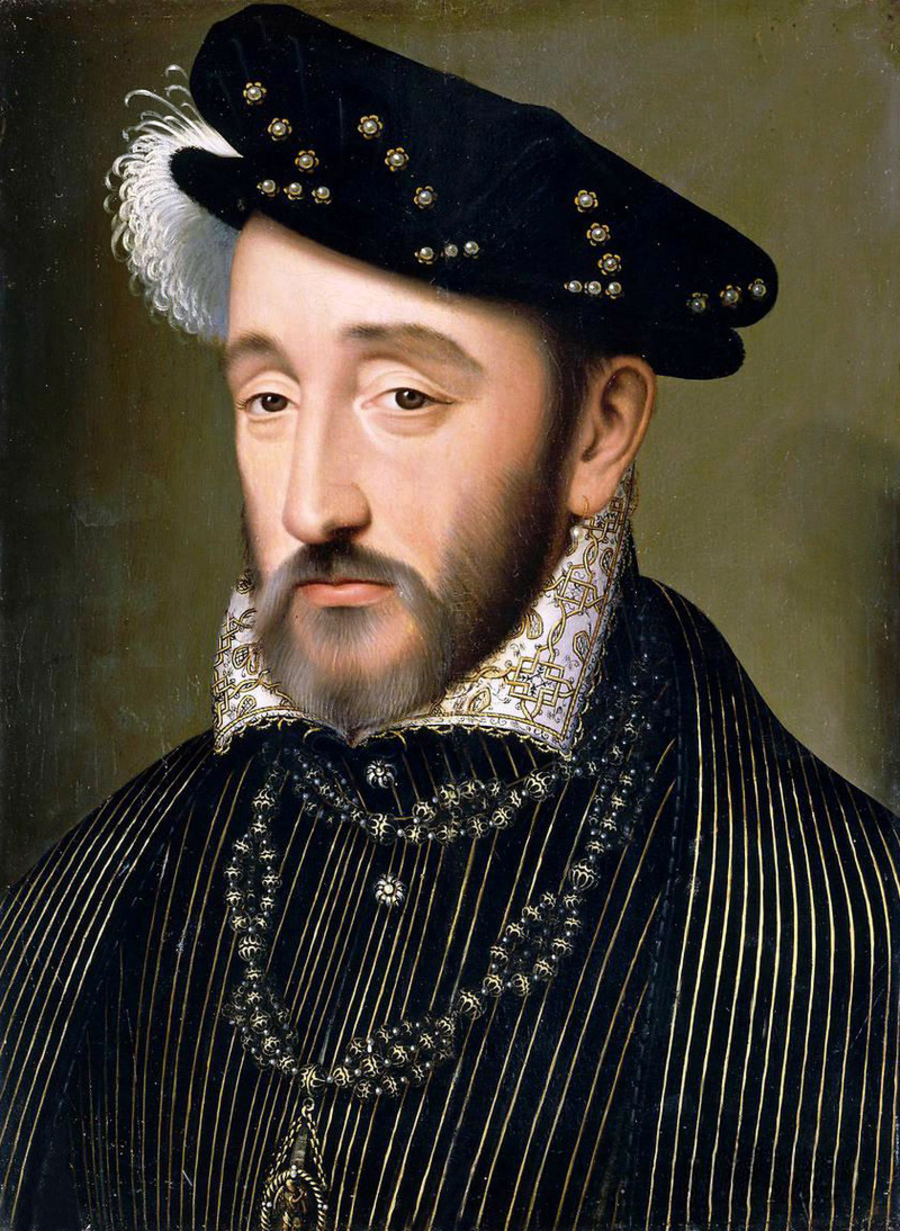 |
| Henry II of France |
But when her herald arrived at the French court with the important message, he was blown off! Despite knowing that the English Queen had a herald waiting with a message, Henry II chose to go hunting - for two days! When the French King finally headed back to the palace and granted the English herald and audience he would not accept the message of war and interrupted the herald.
It was unthinkable that a woman should declare war on him!
There is no doubt that the incident - not unnoticed by the many courtiers - was a great insult to the English Queen. By refusing to take the declaration of war seriously, Henry II also public showed that he had no respect for the female ruler of England.
 |
| Mary I |
A Queen is Crowned
Mary I was the first Queen of England to rule in her own name and not as a Queen consort (more on this later). Since England had never had a Queen that was not already either married or betrothed it was a very special occasion - one that Mary had been waiting for her entire life.
So let's take a look at the coronation that paved the way for female rulers of England.
Mary Tudor - the only surviving child of Henry VIII and Catherine of Aragon - was crowned on October 1, 1553. But Mary's coronation varied from that of her recently deceased brother and her father. Since the Reformation in England, the rituals had been mostly converted into Protestant rites - but Mary was an ardent Catholic.
The Queen herself
Mary was dressed in an ermine-trimmed purple gown and had a circlet around her head. The circlet itself was said to be irreplaceable and believed to contain so many precious stones that its worth could not be made up in pounds. But the circlet was heavy - some spectators reported that Mary occasionally had to support the circlet with her hands to keep it on her head!
The Ceremony
Anna Whitelock describes the coronation ceremony of Mary I in her book "Mary Tudor: Princess, Bastard, Queen". According to Whitelock Mary arrived at the Abbey at 11 o'clock and was wearing state robes - just as a King would have done. After having knelt on a velvet cushion at the altar while the bishop of Chicester said prayers above her head, Mary would retire with her ladies to change into another gown: this time for the anointing.
Then Stephen Gardiner would anoint her with holy oil and the state robes would be placed upon her shoulders. Mary received the sceptre, the sword and the orb and then the actual crowning: first with the crown of Edward the Confessor, then with the Imperial crown and lastly with a custom made crown. A Queen had hereby been crowned and Mary was now: Mary I.
Royal Entourage
Princess Elizabeth and Anne of Cleves accompanied Mary as she made her way to the abbey. They were both placed in seats that was reserved for especially honourable guests. When Mary entered the church and was to make her way to the altar, she had an entourage that indeed was fit for a Queen. Before Mary herself there was a procession consisting of: the bishop of Winchester, knights, gentlemen, the Earl of Arundel, the Marquess of Winchester and the Duke of Norfolk.
As mentioned before, Mary's coronation presented the need of a few changes in the event. These are below:
Who crowned her?
Therefore, it was not the archbishop of Canterbury that crowned her as was custom but instead Stephen Gardiner (whom she would later appoint as her Lord Chancellor). Mary was determined not to be crowned by the current archbishop of Canterbury because he happened to be Thomas Cranmer - an eager Protestant who had been Mary's enemy for many years and was now a prisoner at the Tower.
Unholy Oil
Due to Mary's insistence on being crowned a Catholic Queen, she refused to be anointed with the same Holy Oil that had been used to crown her Protestant brother, Edward VI. To solve the problem, Mary contacted the bishop of Arras and asked him to send her oils that had not been "tainted by usage in a Protestant ceremony". The bishop readily consented and only apologized for the lack of grandeur of the cases that contained the oil.
A Queen for all to see
It was common to erect a plateau for royal events and the coronation of Mary was no exception. She had to climb twenty steps to reach the plateau where her coronation would take place and then move ten steps more to the throne itself - the royal chair had been raised on a dais of its own. Thus, Mary overlooked the entire abbey and every spectator was able to see her.
So let's take a look at the coronation that paved the way for female rulers of England.
Mary Tudor - the only surviving child of Henry VIII and Catherine of Aragon - was crowned on October 1, 1553. But Mary's coronation varied from that of her recently deceased brother and her father. Since the Reformation in England, the rituals had been mostly converted into Protestant rites - but Mary was an ardent Catholic.
The Ceremony
 |
| There are no surviving paintings of Mary's coronation but this Great Seal of herself and Philip II, depicts her with loose hair (normal at coronations), a crown and her hand on the orb. |
Mary was dressed in an ermine-trimmed purple gown and had a circlet around her head. The circlet itself was said to be irreplaceable and believed to contain so many precious stones that its worth could not be made up in pounds. But the circlet was heavy - some spectators reported that Mary occasionally had to support the circlet with her hands to keep it on her head!
The Ceremony
Anna Whitelock describes the coronation ceremony of Mary I in her book "Mary Tudor: Princess, Bastard, Queen". According to Whitelock Mary arrived at the Abbey at 11 o'clock and was wearing state robes - just as a King would have done. After having knelt on a velvet cushion at the altar while the bishop of Chicester said prayers above her head, Mary would retire with her ladies to change into another gown: this time for the anointing.
Then Stephen Gardiner would anoint her with holy oil and the state robes would be placed upon her shoulders. Mary received the sceptre, the sword and the orb and then the actual crowning: first with the crown of Edward the Confessor, then with the Imperial crown and lastly with a custom made crown. A Queen had hereby been crowned and Mary was now: Mary I.
Royal Entourage
Princess Elizabeth and Anne of Cleves accompanied Mary as she made her way to the abbey. They were both placed in seats that was reserved for especially honourable guests. When Mary entered the church and was to make her way to the altar, she had an entourage that indeed was fit for a Queen. Before Mary herself there was a procession consisting of: the bishop of Winchester, knights, gentlemen, the Earl of Arundel, the Marquess of Winchester and the Duke of Norfolk.
A closer look ...
Who crowned her?
Therefore, it was not the archbishop of Canterbury that crowned her as was custom but instead Stephen Gardiner (whom she would later appoint as her Lord Chancellor). Mary was determined not to be crowned by the current archbishop of Canterbury because he happened to be Thomas Cranmer - an eager Protestant who had been Mary's enemy for many years and was now a prisoner at the Tower.
 |
| This engraving supposedly depicts Mary I at her coronation |
Unholy Oil
Due to Mary's insistence on being crowned a Catholic Queen, she refused to be anointed with the same Holy Oil that had been used to crown her Protestant brother, Edward VI. To solve the problem, Mary contacted the bishop of Arras and asked him to send her oils that had not been "tainted by usage in a Protestant ceremony". The bishop readily consented and only apologized for the lack of grandeur of the cases that contained the oil.
A Queen for all to see
It was common to erect a plateau for royal events and the coronation of Mary was no exception. She had to climb twenty steps to reach the plateau where her coronation would take place and then move ten steps more to the throne itself - the royal chair had been raised on a dais of its own. Thus, Mary overlooked the entire abbey and every spectator was able to see her.
Sunday, 17 February 2013
A Different Side of Mary 1
Mary I is remembered as a very strict and religious woman whom only the court fool could make laugh. But Mary had inherited some of her father's love of luxury and the entertainments offered by a court. She had two great fancies: luxury clothing and gambling.
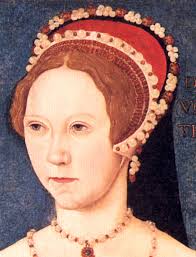 Like her father, Mary I loved expensive clothing and would order gowns made from the most luxurious fabrics of the time. The first year always meant that the Grand Wardrobe saw it's expenses raised considerable due to the coronation which demanded the very best of clothing for the newly made monarch. Mary I's first year as Queen of England was made even more expensive because she did not just need an elaborate dress for her coronation but a just as splendid one for her wedding. In total her cost on her Grand Wardrobe amounted to 18.000 pounds that year!
Later on her expenses on that account would drop to 6.000 pounds which was a bit less than Henry VIII's during the last years of his reign.
Mary's second passion was for gambling - something it is difficult imagining the highly religious and morally strong Mary indulging in such a thing. But Mary I was lucky enough to have rather large sums to bet with. Unfortunately, she was not always on the winning side which resulted in a rather embarrassing behaviour of a Queen of England: Mary was placing money on a game of bowls but had run out of founds, so she asked her servants to borrow her more! But they refused and Mary - determined to continue playing - decided to wage the breakfast of the next day. Apparently the Queen lost again for according to her book attests: "Payed for a Brekefaste loste at Bolling by my lady Mary's grace."
Later on her expenses on that account would drop to 6.000 pounds which was a bit less than Henry VIII's during the last years of his reign.
Not Becoming of A Christian Princess
It is - and was - not a secret that Princess Mary and Prince Edward did not see eye to eye on religious matters but as it turns out, the siblings had different views on royal behaviour.
Prince Edward wrote to Catherine Parr, asking her to keep the Princess Mary from dancing foreign and exotic dances. In his own words Mary should "attend no longer to foreign dances and merriments which do not become a most Christian Princess." You can almost imagine Mary's indignation towards being reproved by her younger brother on her behaviour.
Despite personal pride, Mary may also have found a sort of comfort in the foreign dances since her mother had brought many Spanish and "Moorish" dances to the English court when she arrived to marry Arthur, Prince of Wales.
Prince Edward wrote to Catherine Parr, asking her to keep the Princess Mary from dancing foreign and exotic dances. In his own words Mary should "attend no longer to foreign dances and merriments which do not become a most Christian Princess." You can almost imagine Mary's indignation towards being reproved by her younger brother on her behaviour.
Despite personal pride, Mary may also have found a sort of comfort in the foreign dances since her mother had brought many Spanish and "Moorish" dances to the English court when she arrived to marry Arthur, Prince of Wales.
Friday, 15 February 2013
Coins of the Realms
The monarch was - and still is - the face of a monarchy's currency. That was the same in Tudor England and some of the coins have survived as a testimony to an age long gone by.

1. Coin from Henry VIII's reign
2. Early groat from Henry VII's reign
3. Elizabethan coin depicting the Queen and the Tudor rose
4. A golden coin from Mary I's reign. It depicts Mary on a ship carrying a sword and shield
5. Coin made during Henry VIII's marriage to Catherine of Aragon
6. A silver groat from the time of Mary I

1. Coin from Henry VIII's reign
2. Early groat from Henry VII's reign
3. Elizabethan coin depicting the Queen and the Tudor rose
4. A golden coin from Mary I's reign. It depicts Mary on a ship carrying a sword and shield
5. Coin made during Henry VIII's marriage to Catherine of Aragon
6. A silver groat from the time of Mary I
Thursday, 14 February 2013
Mary Tudor's Dislike of Katherine Howard
When Henry VIII married (yet) again to his fifth wife, Katherine Howard, the new Queen did not charm the entire court. Actually you do not even have to look beyond Henry's own family to find an intense dislike.
Princess Mary was far from satisfied with her father's new wife. The dislike may have routes in two things: first of all, Katherine was 9 years younger than Mary and it is possible that Mary may have felt jealous at this young woman who was certainly more unintelligent than herself but still married - it was considered an embarrassment to grow old as a spinster and despite that Mary was not old, she was still older than her father's new wife. Perhaps Katherine reminded Mary of what she wanted - a household of her own.
Secondly, Katherine's silly behaviour was so far from what Mary had experienced from her first years with her mother, Catherine of Aragon, that Mary may have found it difficult to accept a young, giggling girl sitting at the throne her mother had sat in. It is very likely that the immensely proud Mary saw the marriage of her father as a demeaning to the image of an ever-dignified Queen that Catherine of Aragon had imprinted on her daughter.
But the dislike turned into a scandal when Katherine noticed the hostility from Princess Mary and consequently complained to her husband. To prove her new status Katherine had two of Princess Mary's maids removed which was a public humiliation and the scandal was well-known.
Princess Mary was far from satisfied with her father's new wife. The dislike may have routes in two things: first of all, Katherine was 9 years younger than Mary and it is possible that Mary may have felt jealous at this young woman who was certainly more unintelligent than herself but still married - it was considered an embarrassment to grow old as a spinster and despite that Mary was not old, she was still older than her father's new wife. Perhaps Katherine reminded Mary of what she wanted - a household of her own.
Secondly, Katherine's silly behaviour was so far from what Mary had experienced from her first years with her mother, Catherine of Aragon, that Mary may have found it difficult to accept a young, giggling girl sitting at the throne her mother had sat in. It is very likely that the immensely proud Mary saw the marriage of her father as a demeaning to the image of an ever-dignified Queen that Catherine of Aragon had imprinted on her daughter.
But the dislike turned into a scandal when Katherine noticed the hostility from Princess Mary and consequently complained to her husband. To prove her new status Katherine had two of Princess Mary's maids removed which was a public humiliation and the scandal was well-known.
| Princess Mary |
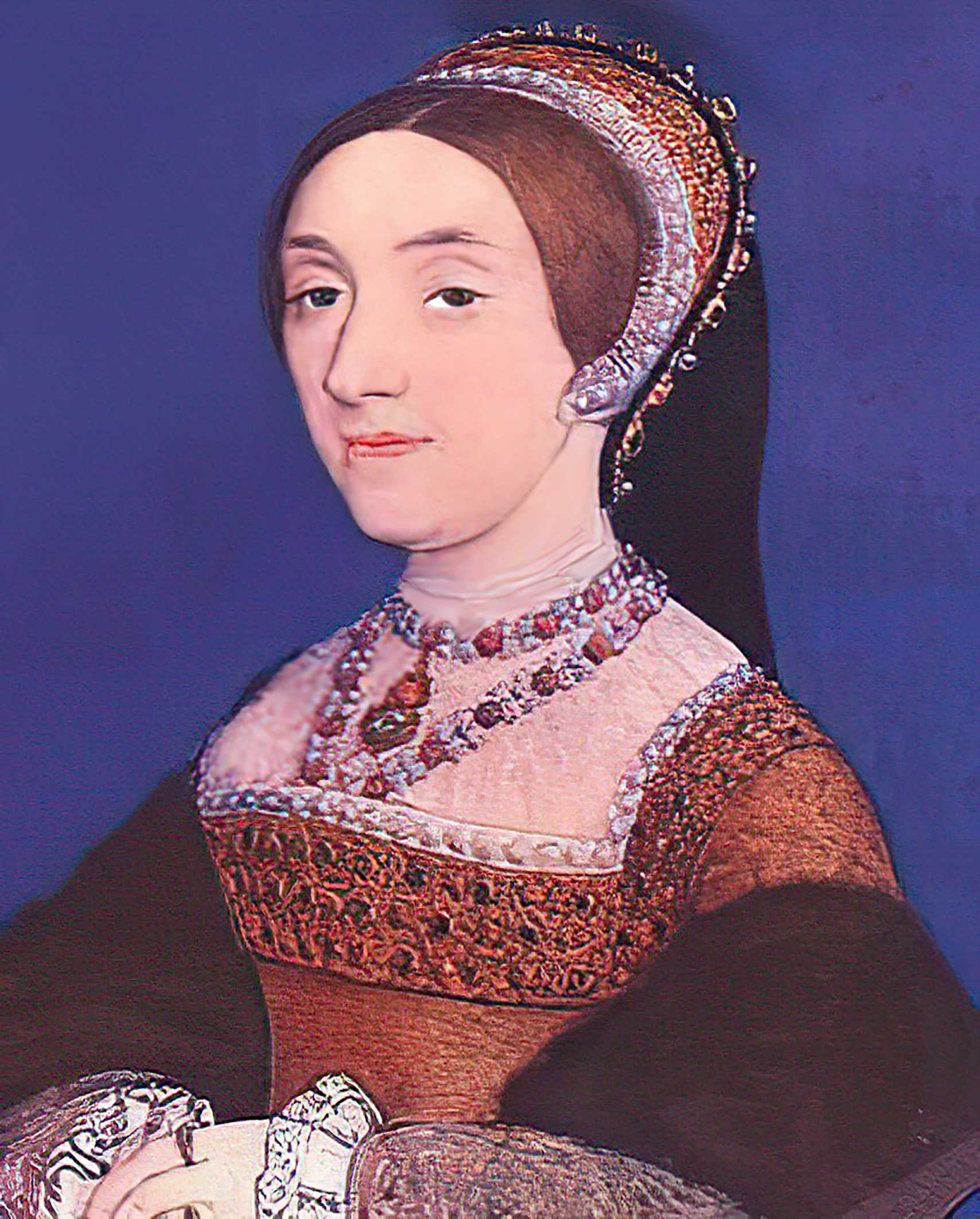 |
| Katherine Howard |
Wednesday, 13 February 2013
Mary I
Bloody Mary - a neglected Princess who became a feared Queen
 Mary was born on February 18th 1516 and would be the only surviving child of Catherine of Aragon and Henry VIII. She soon set out into the official royal life and when she was just four years old the Princess entertained the French ambassadors with a performance on the virginals. Her mother was the main source of her education and the intelligent child was able to read and write in Latin at the age of nine. She was also instructed in French, Spanish and might even Greek. Henry VIII adored his daughter and boasted to the ambassador of Venice: "This girl never cries."
But her father's doting soon turned into disappointment when it turned out that there would come no sons from the marriage to Catherine of Aragon - until then it had always been expected that Mary would have a brother to take over the kingdom. Mary was sent to Wales in 1525 by her father where she was to reign over the Council of Wales and the Marches, though it can be assumed that she only ruled in name. The young princess was given an establishment that took after a court at Ludlow Castle and had some of the prerogatives that normally belonged to the Prince of Wales. She spent three years at the Marches until she returned to the counties outside London in 1528.
Sunday, 10 February 2013
Mary's Triumph
It was the triumph of her life when Mary was crowned the first Queen of England and finally fulfilled the purpose she had always believed that she was born to.
There are a few depictions of Mary after her coronation and no contemporary paintings from the event itself.
There are a few depictions of Mary after her coronation and no contemporary paintings from the event itself.
 |
| Engraving of Mary at her coronation (probably from a later point in time) |
 |
| Depiction of Mary from a State document |
 |
| An Exchequer document depicting Mary wearing the red Parliamentary Robes and her crown. Her loose her is a symbol of her virginity. |
 |
| Letters patent from 1554, showing Mary at her coronation - again with the loose hair symbolizing virginity |
Mary's Marriage
There are very few pictures of Mary I and her husband Philip II of Spain and their wedding, but I found a few that depicts Mary after her marriage:
 |
1) Mary I as Queen Consort of Spain 2) Mary I and her husband Philip II of Spain3) No picture of Mary's marriage or coronation survives but this is the great seal of Mary I and Philip II4) Busts of Mary I and Philip II5) Depiction of Mary I and Philip II shortly after their marriage |
Subscribe to:
Posts (Atom)