Showing posts with label fashion. Show all posts

Sunday, 15 September 2013

The Beret

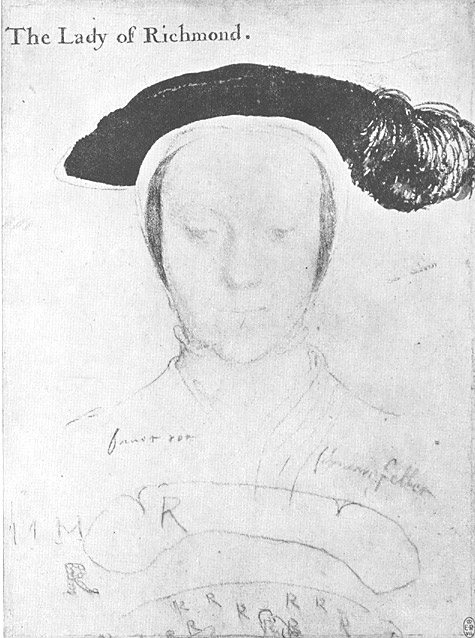
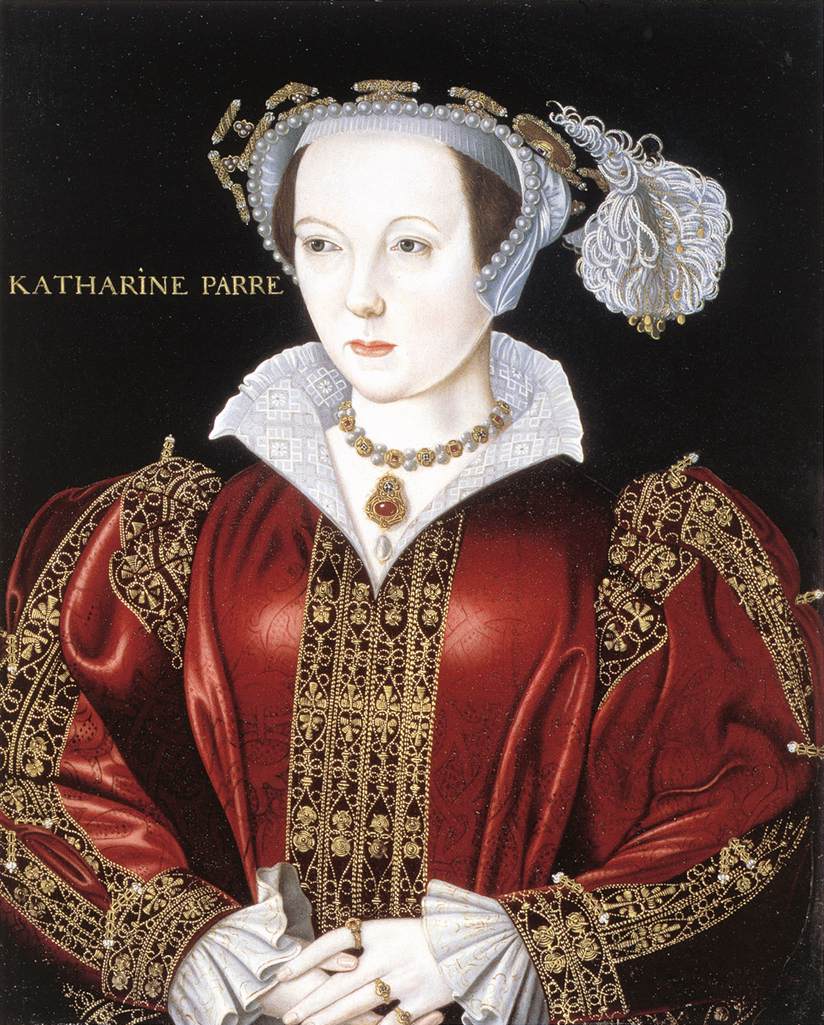
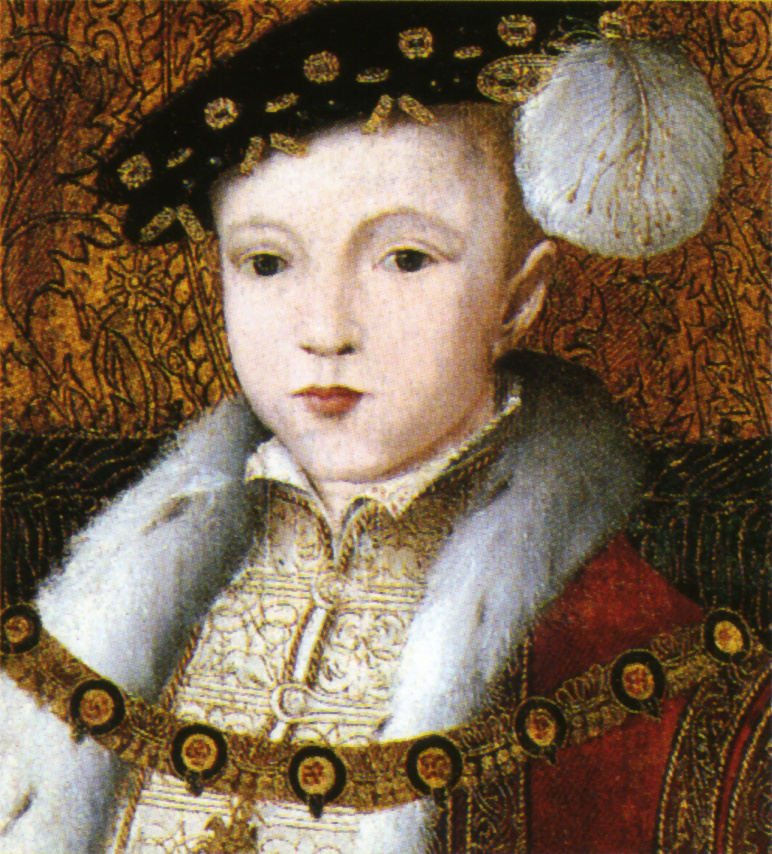
The Beret or the "flat-cap" was a favoured type of hat by both men and women during the Tudor times. Normally an expensive fabric would have been used to make this hat such as velvet or silk and preferable in a lush colour or in simple black. They could also be lined with either silk or satin but it was not absolutely necessary. However some sort of decoration was an absolute must whether it was a plume, a brooch or even colourful feathers.
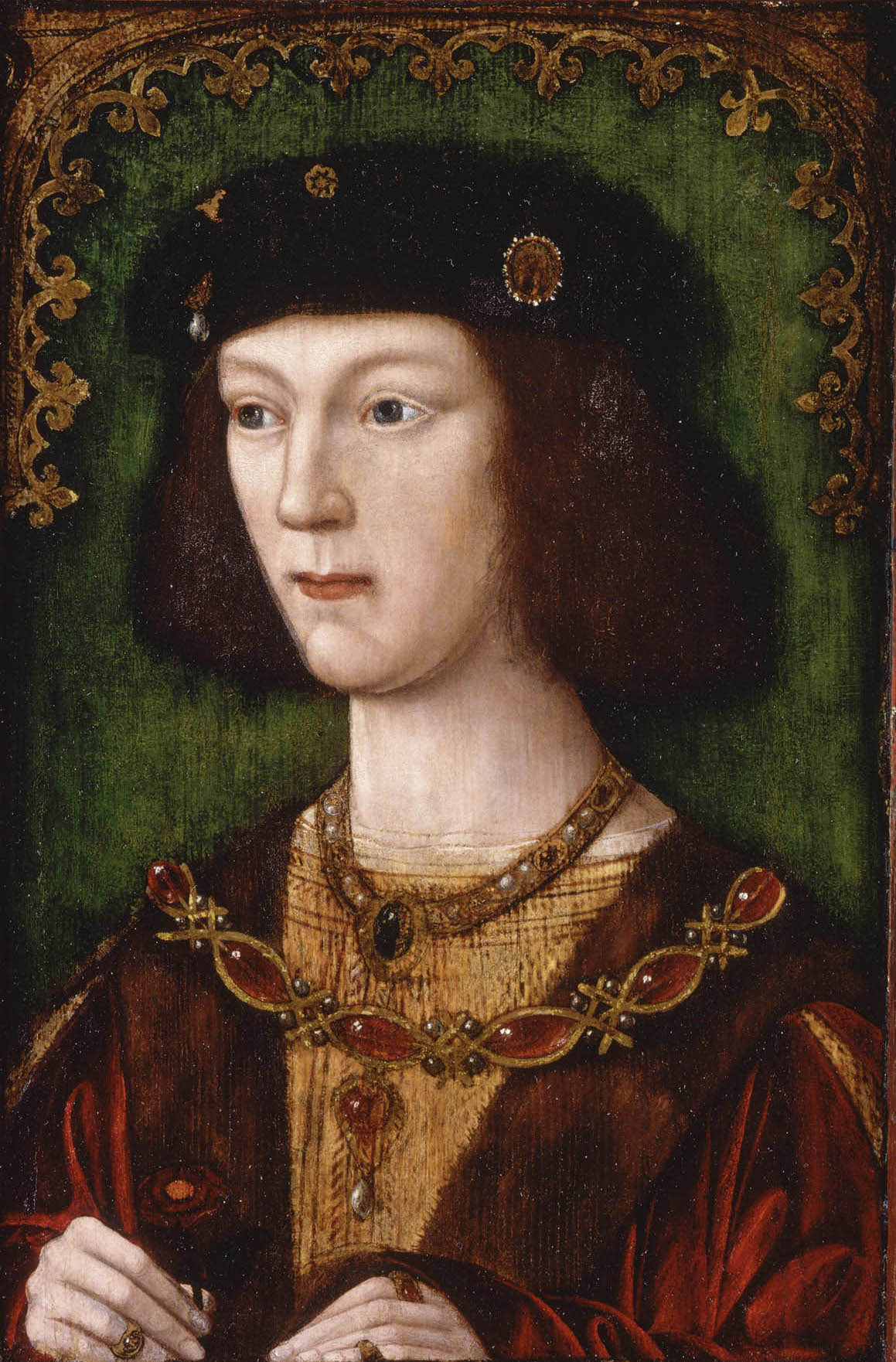
The entire style of the Beret is made to fall to one side but in Europe it was not worn tipped to one side. Henry VIII was fond of this style and has been painted wearing a Beret several times - he would often choose to have it decorated with precious stones.

The Beret was only to be worn by the highest classes of society but there was another coarser version (the Statue Cap) available for the commoners. One of the manufacturers of these Berets was Thomas Bell who made a name for himself through this trade and became the Mayor of Gloucestershire. Here are some examples of the Tudor Beret:


                                 Charles Brandon
A young Henry VIII wearing a beret
decorated with golden jewellery
An etching of Lady Richmond

Catherine Parr appears to wear a Beret on top
of her bejewelled hood
Like father, like son - Edward VI wearing a Beret
in the same style as Henry VIII


Monday, 12 August 2013

Fashion is Status

Fashion has always been a mean to show off your status and the Tudor times were no different. The rules were many, complicated and oh yeah, enforced by law. Remember the Earl of Surrey who got beheaded for wearing his ancestors badge because Henry VIII thought it was provocative?
The Sumptuary Laws divides people into categories according to who could wear what. Remember that the King and Queen (as well as their children) could wear everything so they are not listed among the remaining titles. Those who are not listed were simply not allowed to wear whatever garment or fabric it might concern.
Take a look at these rules and step into the "Versailles"-ish Tudor fashion rules.

Earls

  • Cloth of gold and silver including gold/silver silk, satin and sables:

Exception: viscounts and barons are permitted to use these fabrics on their doublets and their coats - as long as the coat is sleeveless!

Dukes, Marquesses, Earls and their children as well as Barons and knights

  • Wool made in a foreign country
  • Crimson, scarlet and blue velvet

This one actually has a logical reason to it. In order to make sure that the English farmers would not loose money (causing inflation) it was forbidden to buy wool that was not English - or at least except if you are noble or royal. So actually this can be seen more as a strange way to keep employment in England than a restriction.

Sons of Barons, knights and men of a certain income

  • Velvet for a gown, coat or entire ensemble
  • Leopard's fur
  • Embroidery
  • "Pricking" of gold and silver - and never in silk
  • Taffeta, satin, damask and silk on the outer outfit 
Any man who makes a profit of at least a 100 pounds a year:
  • Furs from outside any of the crowns' lands
  • Velvet
The son (as long as it is an heir) or daughter of a knight, that son's wife and a man worth more than 200 pounds in goods
  • Silk in hoses, hats, girdle, bonnet, nightcaps, scabbards and shoes
And these were just the rules for the upper part of society! But since the other part is also the greatest there is no need to leave them out:

It was prohibited for any serving man (except those of noble birth) to wear fur. Nor were they allowed to use more than 2½ yards of fabric for their coats. The serving females were not allowed to use more than 3 yards of fabric on a long gown.

Finally servants, common labourers, shepherds and farmers worth less than 10 pounds a year are not allowed to wear cloth worth more than 2 shilling. And if you did so anyway? Three days in the stocks! 

Sunday, 5 May 2013

The Atifet

The Atifet was a hat style for women during the Tudors; its design was mainly based on the French hood. it was not in fashion until the last half of the 16th century; probably because the French hood had just been introduced in the 1520's. They are characterized by their heart-shaped style instead of the "even" curve that dominates the French hood. Mary, Queen of Scots preferred this romantic style above all others and would often wear white atifets. It was common to add laces or pearls to the bonnets.

                 
                       Another portrait of Mary, Queen of Scots

Mary, Queen of Scots wearing a
white atifet


Saturday, 27 April 2013

The Queen's Wardrobe

Just imagine how many dresses you can collect during a 45-year reign. Like any other renaissance ruler she was expected to show off her wealth and status through her clothes. Of course, everyone at court knew of Elizabeth's love for clothes which made it natural to acquire items of clothes for the Queen on her birthday and at Christmas. Very little of the Queen's vast wardrobe survives to this day; the main reason for this is that the dresses were so expensive that bits and pieces were often reused to create a new look and some gowns were given away as gifts. When Elizabeth died she owned 2000 dresses!

Even with these 2000 dresses Elizabeth spent less than a fifth of some of her male predecessors on clothes. Of course, it helped that many courtiers would gladly give her clothes or jewels to adorn her outfit with, sparing her the expense of buying them herself. Some historians has suggested that her love of clothes is a result of the time after her mother's execution when she struggled to put clothes on her back. What made her dresses so valuable - besides the expensive fabrics - was the ornaments and decorative elements. Tassels, braids and pearls were among the things used to adorn the Queen's wardrobe - and it worked; the constellation of gemstones on her dresses made her sparkle when she moved.

Elizabeth believed that a courtier should dress according to rank but not above it. In times when the economy was poor she would scold her courtiers for their spendings on items of clothing. Surprisingly enough Elizabeth loved to wear black and white dresses - naturally these would be lavishly decorated with ornaments or embroideries. The Queen's clothes was a complex matter. It consisted of a chemise, a corset, a fathingale, stockings, the gown itself, sleeves, a neck ruff and sleeve ruffs!

As it is with almost all the Tudor jewels we can only know them through portraits. Most of Elizabeth's gowns were lost to history but we can still get an insight into the Virgin Queen's Wardrobe (these are just a few of the many portraits of her):

Elizabeth's coronation gown
Elizabeth apparently developed her fashion sense early!

Notice the exquisite embroidery


Pure white for virginity combined with red Tudor roses
One of her favoured black dresses


Sunday, 24 February 2013

German Fashion

When Anne of Cleves arrived at the English court, her clothes made an unfortunate impression on the English courtiers. Anne, being German, naturally wore the German fashion but this was far from popular with the English ladies. Let's take a look at what the German fashion actually looked like:

Tuesday, 19 February 2013

The Ideal Beauty

Even in Tudor and Elizabethan times there was a strict perception of how the "ideal" beauty was - a concept that sadly has not changed. The crusades had introduced new sorts of make-up and new ingredients that made it possible to vary the styles more than before.

The ideal woman of a Tudor/Elizabethan woman had:
Porcelain-white skin and red lips was a must. The hair was blond or fair and the eyes were blue, green or grey. Rouge was not a an absolute must for the ideal beauty but it was something that showed status. When Anne Boleyn first caught the eye of the King, she was not considered to be beautiful because she did not have these features. Instead she had dark, brown hair and almost black eyes which was enough to keep her from gaining the praise of being a beauty.
This ideal - and the make-up that came with it - was a status symbol. Only the rich could afford to buy the complicated make-up of the day and it was a privilege.

A natural look
It was not until the Elizabethan age that the heavy make-up became a must in fashion. In the earlier Tudor-reigns it was preferred to focus on creams that would soften the skin; containing honey, beeswax and sesame seed oil - a clear example of the influence from the Middle East.
Perfumes became popular - another import - and it was usually made from roses, water-lilies and violets. Ochre was used to slightly redden the lips and cheeks.

Elizabeth I wearing ceruse
Ceruse
Especially the pale white skin was essential to women of the day - Elizabeth I is almost completely white in most of her portraits. To achieve this unnatural whiteness, women used ceruse. Ceruse was a mixture of white lead and vinegar which was applied to the skin for its whitening effect. But ceruse was - due to the lead - highly toxic and many women died rather young from lead-poisoning since the ceruse was added often and rarely washed off.
The pale skin was so desired by fashionable women that they were willing to be bled to achieve the perfect paleness that was demanded. It could also be used to hide wrinkles or scars from small-pox which was very common.

Fashion of hair
The main hairstyle that did not change was the high hairline. As I mentioned in an earlier post, women often plucked their hairs to drive their hairline back into a fashionable position. An arched brow was also a must, so women would also pluck their eye-brows - much like today actually.

Hair-colouring and wigs 
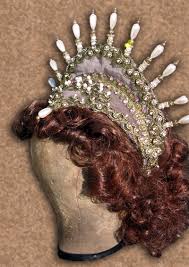
Women dyed their hair even in the Tudor era but used materials that would shock most women of today. Since the ideal dictated that a woman should have fair hair (blonde or red), many women aimed at these colour. To achieve the blonde hair it was common to use urine or a mixture of cumin seed, saffron, celandine and oil - all expensive ingredients that made it impossible for anyone else but the nobility to afford it. For those women who wanted to dye their hair red - specially popular during the red-headed Elizabeth I - it was common to use henna which could also dye the nails.

Wigs were a popular alternative to the time-demanding colouring processes. Also, it was popular with those who could not dye their hair to a fair colour but still wanted to be fashionable. Elizabeth I was very fond of wigs and had no less than 80 wigs at the time of her death - despite the fact that she did not need to wear a wig since her natural red hair-colour was already ideal.

Eyes and Lips
Kohl was another thing that could be found in any wealthy and fashionable woman's toilette. It had the purpose of a modern mascara and was applied to the eye-lashes to darken them. The red lips was given their colour through the use of mercuric sulfide because it contains the desirable vermilion colour - it was also used on the cheeks.

Hair Styles

As in any other court, the fashion was decided by the Queen. When it came to the hair styles of the Tudors the styles changed as often as Henry VIII's wives.

Long, flat hair:
Most women of the Tudor time rarely cut their hair which meant that they would end up with very long hair. It was the norm to conceal the hair under a hood or a headdress but there was exceptions (as always with fashion): on her wedding day a woman could keep her hair loose which was also the case at coronations. Anne Boleyn and her daughter, Elizabeth I both had loose hair at their coronations; Mary I had loose hair at her wedding. Both Anne Boleyn and Catherine of Aragon is said to have had hair down to their thighs.
The long, flat hairstyle was specially favoured by Anne Boleyn and in the most famous portrait of her, you can see that her hair is flat.

Curls
On this, Elizabeth I was different from her mother. Elizabeth preferred to have curly hair - which immediately became fashion among the ladies at court. Nowadays, women just use a curling-iron to achieve a perfect curly hair but in the Tudor era, women had to use a different strategy. The Tudor ladies used hot tongs to curve their hair into the fashionable hairstyle favoured by the Queen.

And remember...
Having your hair hanging loose was a sign of virginity and was mainly used by young women at their weddings. But as soon as a Tudor woman was married, it was no longer prudent to have loose hair. Instead, she was to have her hair in a bun - a practical arrangement that made room for the elaborate headdresses at court.
It was very fashionable to have a high forehead and women would even pluck their hairline back to achieve it! Also, it was in fashion to have your hair arranged in such a way that it would not cover the forehead.


Tuesday, 12 February 2013

Elizabeth's Neck Ruffs

Fashion in Elizabethan times are famous by the huge neck ruffs that adorn most of the portraits of Elizabeth I herself.

Elizabeth I wearing a ruff
The ruffs began as a high collar but developed into the more feminine version were open at the front which exposed the neck and the top of a woman's breasts. To make the ruff stand up, the wings were made of gauze and the ruff was placed at the back of the head. The ruff even dictated the hairstyles of the Elizabethan hairstyles!
The ruffs were pinned to the dress using an endless number of small pins. As decoration, lace was very popular among the nobility and the Queen herself. Besides for the neck, ruffs could be used as decorations for sleeves.

If you wanted to make your ruff match your gown it was possible to have the ruff coloured. This was often done by starching and dyes made from vegetables produced yellow, pink or mauve. Though it was possible to obtain a pale blue colour, Queen Elizabeth was against it which can be seen through a Royal Prerogative that she issued: "Her Majesty's pleasure is that no blue starch shall be used or worn by any of her Majesty's subjects, since blue was the colour of the flag of Scotland."
The ruff peaked in fashion during Elizabeth's reign were it was more than a foot wide and needed the so-called "underpropper" that were essential for the ruff not to fall down.

Elizabeth I wearing an open ruff

Monday, 11 February 2013

The Gable Hood

Elizabeth of York
The Gable Hood or the English Hood was another headdress that was fashionable during the Tudors. It was called the "gable hood" because the shape of the hood was similar to the gable of a house.
The hood was originally simple and pointed with two decorated side panels (lappets). A veil covered the back of the hood and could be arranged to hang over the hair.

The gable hood developed quite a lot when you compare to the French hood. The two first ladies with connections to the Tudor-dynasty were Lady Margaret Beaufort and Elizabeth of York. At this point the sides of the pointed hood would fall along with the hair and would therefore be rather long.
In the 1520's the style had changed and the best example is a portrait of Catherine of Aragon. The frontlet (the part that framed the face) was wider but shorter and curves inwards and there was a padding between the head and the hood itself.
The final change to the gable hood was made during Jane Seymour's time as Queen. The frontlet was shorter once again and the semi-circular hood had been replaced by two long, flat tubes of material. The hood was generally either allowed to hang loose or were pinned to the head. The hood stayed like this for the rest of Henry VIII's reign.

Jane Seymour wearing
the gable hood
The Gable hood went out of fashion when Anne Boleyn was Queen because she preferred the French hood. But when Jane Seymour became Queen she wanted to be as different from Anne as possible - that meant the French hood had to go. The hood finally went out of fashion for good during Elizabeth I's reign.

Saturday, 9 February 2013

French Hood

This headdress was introduced to the English court by Anne Boleyn on her arrival back from France. Her rising popularity meant that the fashion became popular with the English ladies. When wearing this headdress a lady's hair was always visible. The French hood has these features:


  • Coif: a piece of linen that was either tied under the chin or pinned onto the hair itself. Before the 1520's it was fashionable to wear red linen under a French hood.
  • Crepine: head covering that could be pleaded. Often made out of fine linen or silk 
  • Paste: would be worn over the coif or crepine. It was in to place several layers in different colour on top of each other.
  • Veil: covered the hair completely and fell from the hood itself. It was always black and either made from silk or cotton. 
  • Billaments: were the decorative edge of the hood. It was common to use fabrics like satin and velvet, but gemstones, pearls or gold work was also common as a decorative elements.
  • Cornet or Bongrace: was an accessory used to shade the wearer's eyes from the sun.
So there you have it; a hood à la francaise! 

Anne Boleyn wearing her signature French hood